Automated Inspection Technology: The Watchful Eye of Modern Manufacturing
In the fast-paced world of modern manufacturing, precision is paramount. Nowhere is this more critical than in the production of small but high-value components like semiconductor chips and lithium-ion batteries, where a single microscopic flaw can lead to catastrophic failure or significant financial loss. Automated inspection technology has emerged as the indispensable guardian of quality, fundamentally transforming how products are made and verified.
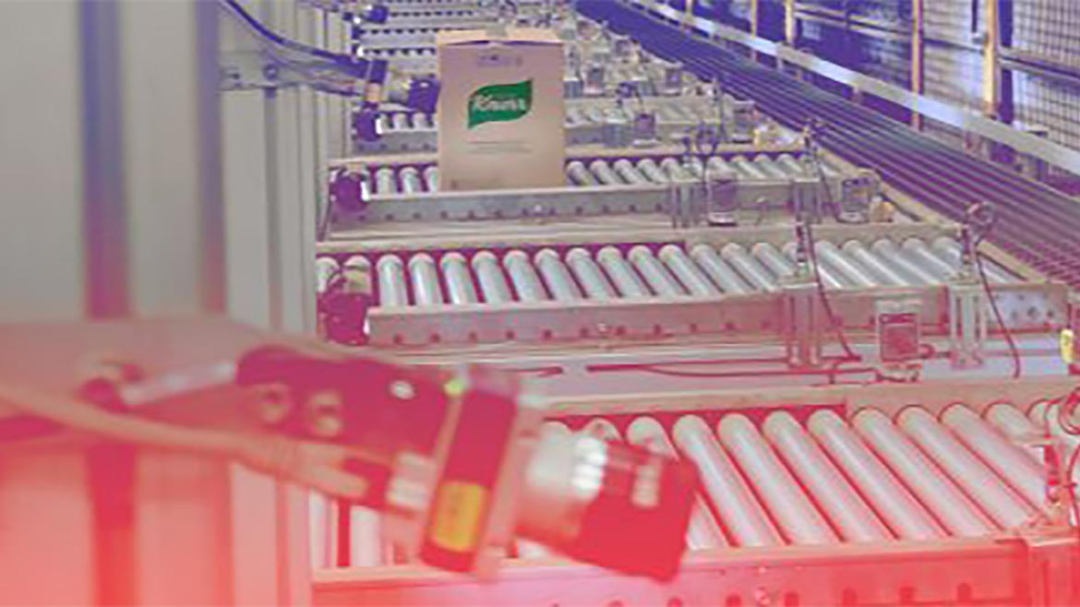
The Critical Role of Automated Inspection
Automated inspection systems are essential for determining whether components meet stringent quality standards. By identifying and剔除 (eliminating) non-conforming parts at every stage of production, these systems ensure the integrity of finished goods. Beyond simple defect detection, modern inspection solutions perform a wide array of tasks including precision positioning, feature recognition, dimensional verification, and complex measurements—all at speeds impossible for human operators.
Powered by Intelligent Vision
At the core of this transformation lies sophisticated Industrial vision AI. These systems function as comprehensive AI quality inspection system, leveraging Computer vision for manufacturing to analyze components with micron-level precision. Through Machine vision inspection, cameras capture high-resolution images at incredible speeds, while advanced algorithms detect anomalies invisible to the naked eye.
Key Applications Across Industries
Automated inspection technology finds critical applications across diverse manufacturing sectors:
- Microelectronics: Detecting潜在异常 (potential anomalies) in microchips, transformers, and circuit boards, where defects measured in micrometers can determine functionality.
- Display Manufacturing: Through automated flat-panel inspection, identifying scratches, dead pixels, or other微小缺陷 (microscopic defects) in television and computer screens before they reach consumers.
- Battery Production: Ensuring the integrity of lithium-ion cell separators and electrodes, where defects can compromise safety and performance.
The Technology Stack
Modern automated inspection integrates multiple advanced capabilities:
- AI-based visual inspection for adaptive, learning-based defect recognition
- Defect detection AI trained on vast datasets to continuously improve accuracy
- AI visual monitoring for real-time quality assurance throughout production
- Seamless integration with manufacturing execution systems for complete traceability
Driving the Future of Quality Assurance
As manufacturing processes become increasingly complex and quality demands continue to rise, automated inspection technology stands as a critical enabler of industrial excellence. By combining the speed of automation with the intelligence of artificial intelligence, these systems ensure that the products shaping our world—from the phones in our pockets to the batteries powering our future—are built to the highest possible standards of quality and reliability.
Post time: Feb-22-2026