Shenzhen Parks Embrace AI: AR Gaming Brings Interactive Magic to Green Spaces
Shenzhen, China — In Shenzhen’s ambitious drive to become a global AI pioneer, its parks are transforming into playgrounds of the future. The latest attraction? Augmented reality (AR) games that merge digital fun with physical exploration, turning a simple stroll into an interactive adventure.
These AR experiences are not just entertainment—they are a showcase of how AI + IoT Integration can create dynamic public spaces. When visitors use their smartphones to hunt virtual treasures or interact with digital characters overlaid on the real-world landscape, they become part of an intelligent ecosystem.
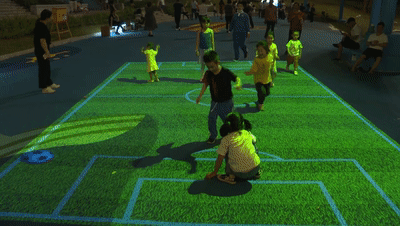
How It Works: Sensors and Games Working Together
Behind the scenes, a network of Smart IoT Sensor Integration tracks visitor movements and interactions. Cameras, Bluetooth beacons, and environmental sensors collect anonymized data on crowd density, popular routes, and dwell times. This feeds into a centralized Data Resource Center for Parks, where Big Data Analytics for Parks platforms process the information in real time.
The result is Real-time Visitor Monitoring at an unprecedented scale. Park managers can see exactly which AR games attract the most players, how long they engage, and how foot traffic flows in response to digital prompts. This data enables Park Resource Optimization—adjusting signage, staffing, and amenities to match visitor behavior.
From Play to Planning: The Digital Twin Advantage
All this information contributes to a Digital Twin for Park Management—a virtual replica of the physical park that simulates real-world conditions. Managers can test new game placements, predict crowd movements, and optimize layouts before deploying them physically. This ensures that AR experiences are not only fun but also seamlessly integrated into the park’s operations.
The system also supports Automated Park Operations. For example, if a game attracts a sudden surge of visitors to a particular area, lighting and security systems can automatically adjust. Maintenance teams receive alerts if sensor data indicates wear and tear on popular paths.
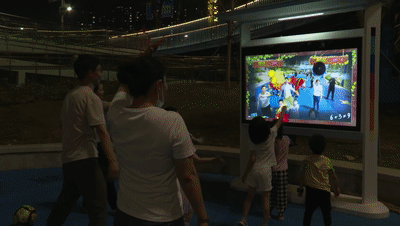
A New Dimension of Urban Nature
For citizens, AR gaming adds a layer of discovery to familiar surroundings. Children learn about local wildlife through interactive quests; families bond over cooperative challenges; seniors enjoy gentle, gamified exercise. For the city, it’s a powerful tool to encourage outdoor activity, reduce screen time indoors, and foster community engagement.
As Shenzhen continues to weave AI into the fabric of urban life, its parks stand as vibrant examples of how technology can enhance—not replace—the natural world. AR gaming is just one thread in a larger tapestry of innovation, where every bench, path, and tree becomes part of a connected, responsive, and delightful public realm.
Post time: Feb-22-2026