Operational Challenges Facing Traditional Urban Parks
As urban public spaces that serve millions of citizens daily, traditional parks face mounting operational pressures that demand innovative solutions.
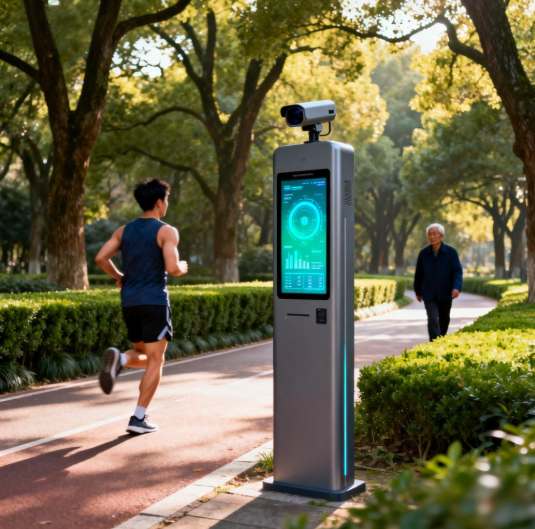
1. Limited Operational Efficiency
Conventional management models relying on manual patrols and paper-based records result in slow response times. Issues often go undetected until they escalate, making it difficult to achieve timely, precise maintenance and incident management. The absence of AI-based Park Analytics means valuable patterns in visitor behavior and facility usage remain hidden.
2. Suboptimal Resource Utilization
Without data-driven insights, resource allocation across staffing, energy consumption, and facility maintenance often falls short of optimal efficiency. Resource Optimization in Parks remains an aspirational goal rather than an operational reality. Investments in personnel and utilities frequently exceed what is necessary, yet without Park Energy Efficiency Solutions, waste goes unnoticed and unaddressed.
3. Ecological Maintenance Pressures
Daily operations generate waste, consume energy, and impact vegetation and soil health. When poorly managed, these factors create sustained pressure on park ecosystems. Achieving Eco-Efficiency in Public Parks requires granular monitoring and intelligent control that traditional methods simply cannot provide.
4. Safety and Security Blind Spots
As open public spaces, parks face inherent challenges in monitoring and crowd management during peak hours. Gaps in surveillance and visitor guidance create risks to personal safety, property, and public order. Comprehensive Park Safety and Security Automation is essential but difficult to implement with legacy infrastructure.
The Path Forward: Digital Transformation
These challenges point to a clear conclusion: traditional parks must embrace Parks Digital Transformation. By deploying Smart Park IoT Solutions, integrating Scenic Area Intelligent Management platforms, and implementing real-time Park Visitor Flow Monitoring, urban parks can evolve from passive green spaces into responsive, intelligent environments that serve citizens more safely, sustainably, and efficiently.
Post time: Feb-22-2026